- +977 9851074270
- info@mountainramadventures.com
Nepal, home to towering Himalayas and captivating natural landscape is a haven for thrill seekers. Regarded as the prime time for trekking, the Autumn and Spring Season offers clear blue skies and majestic views of the Himalayas attracting trekkers from all around the world. At the other end the monsoon season is often regarded as not a great time to trek due to the unfavorable conditions. The Monsoon season usually spans from June to August during which the Himalayan views are tucked away behind the gloomy monsoon clouds. Monsoon Trekking destinations are often overlooked but are unique and can be rewarding for trekkers willing to travel to the rain shadow area of the Himalayas.
Contrary to the beliefs of many, trekking journey during the monsoon season is not just always filled with gloomy clouds, leeches and muddy trails but instead can be filled with the views of breathtaking landscapes of the Rainshadow regions of the Himalayas. The Rainshadow regions often receive less to no rainfall even during peak monsoon seasons. The trekkers will be able to enjoy the raw beauty of the region as well as avoid crowds of the peak trekking season making them the perfect destination for adventure lovers.
The best destinations for trekking during the monsoon seasons include some of the most remote places of the Himalayan region but the raw beauty of the region is solely worth the adventure to the regions.
Upper Mustang: The Forbidden Kingdom
Total Trekking Distance: 125-150 KM
Required Days: 18 Days (including road travels from/ to Kathmandu)
Permits: Annapurna Conservation Area Permit, TIMS Card and Restricted Area Permit
Trekking Starting Point: Jomsom
Trekking Ending Point: Jomsom
Maximum altitude: 3900 M
Accommodations Available: Guest House/ Tea Houses
Meals Available: Nepali, Indian, Tibetan and Western Cuisines
Best Time:Autumn, Spring and Monsoon Season
Highlights of the Upper Mustang Trek
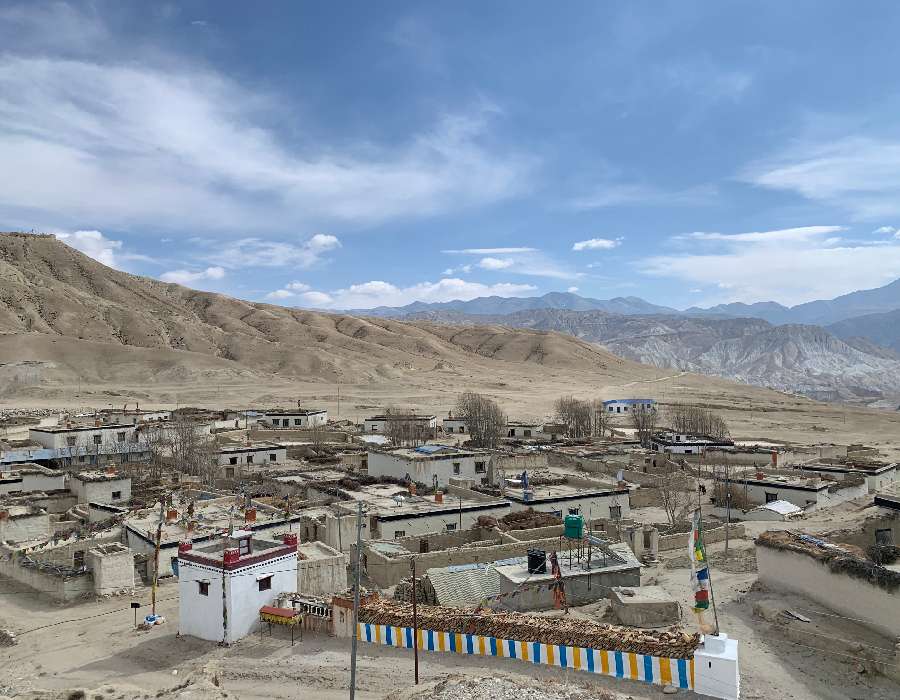
- Beautiful settlements made in ancient traditional architectural styles with whitewashed walls capable of handling the harsh Himalayan conditions.
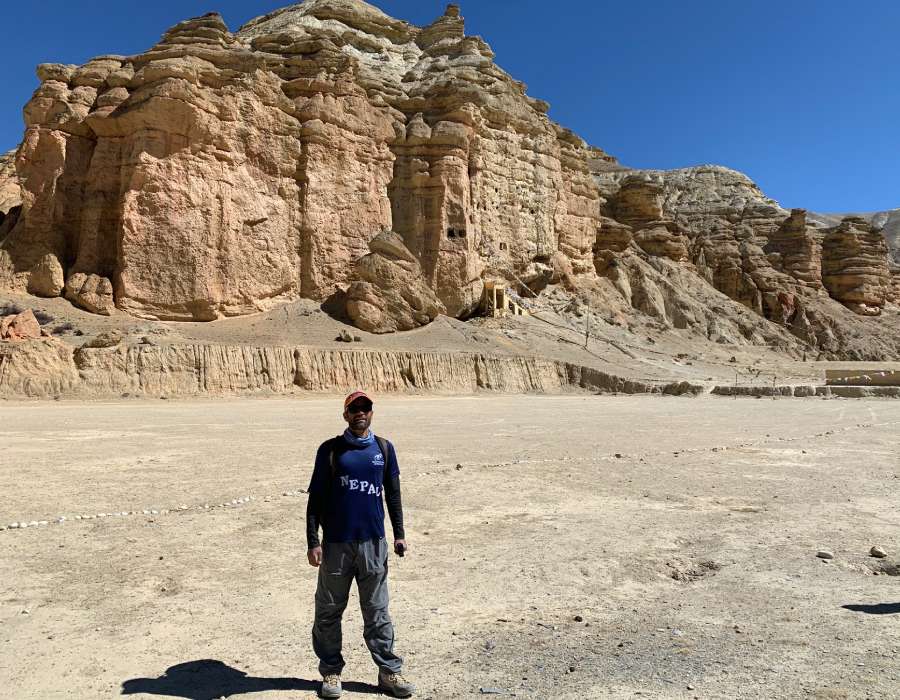
- Chosar and other caves, carved on cliffs by the people of the ancient communities as a burial site and a place for refuge during the Sino- Nepalese war.
- Tiji Festival, the colorful festival celebrated during the early monsoon season showcasing the beautiful Buddhist culture and traditions preserved through centuries of generations.
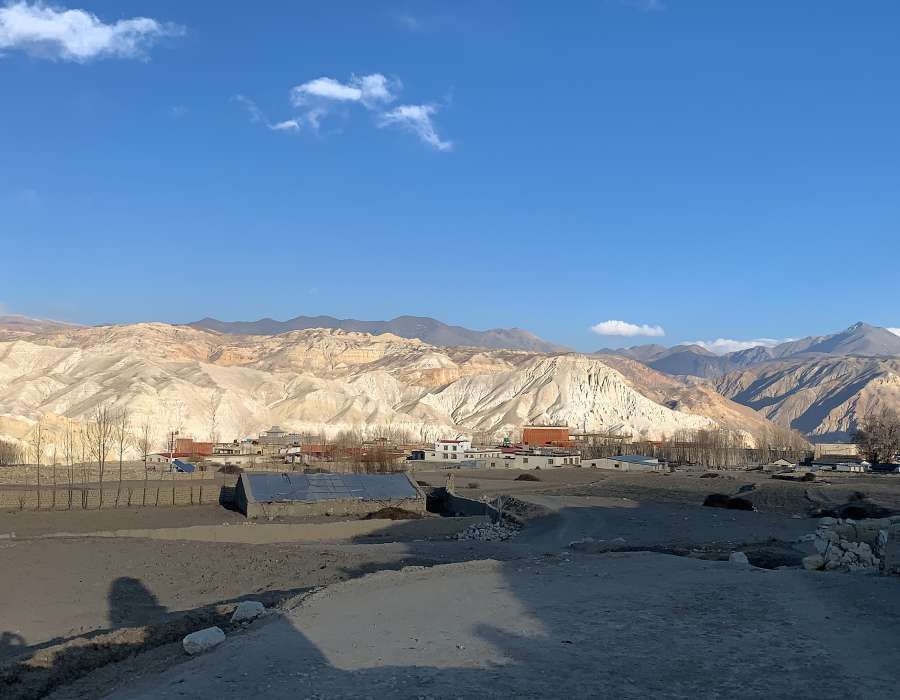
Upper Mustang, often regarded as the desert of the Himalayas, is an ideal destination for monsoon trek. Situated in the rainshadow area of the Annapurna and Dhaulagiri Himalayas, the region receives minimal rainfall during the monsoon season making it a favorable trekking destination in the Himalayas.
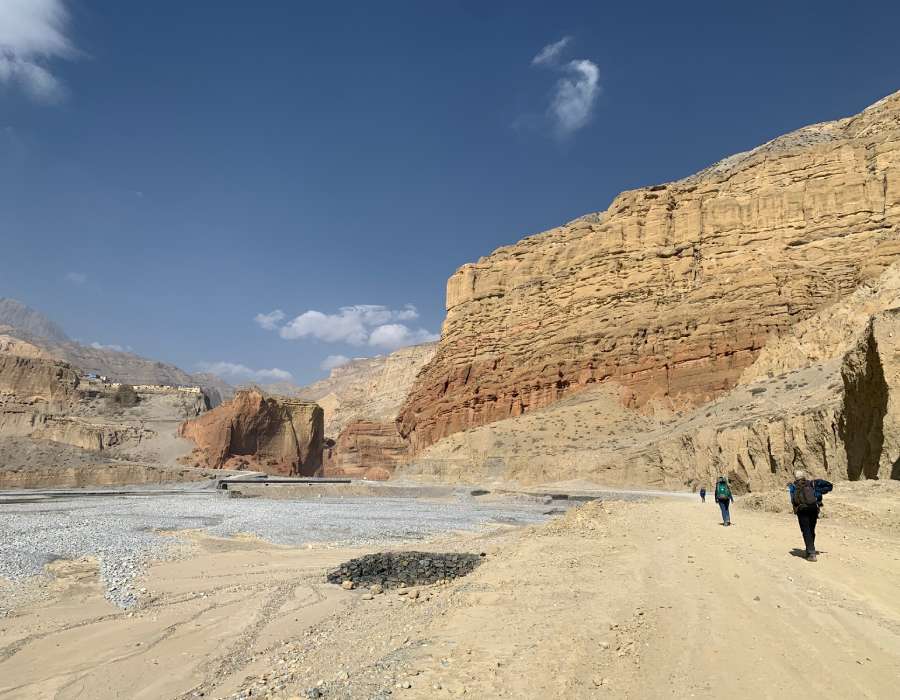
The trek takes us through dramatic landscapes, deep canyons carved due to erosion over thousands of years. The Upper Mustang Region is not renowned just for its beauty but also for the authentic culture of the local communities shaped around Tibetan Buddhism. The villages of the region are made in traditional architectural styles with white washed walls and reflect the deep rooted Buddhist traditions. Jomsom, Lho- Manthang, Ghami are some of the most beautiful settlements of the region showcasing the intricate traditional architecture.
The Upper Mustang region is also known as “the kingdom beyond the Himalayas” as the region had its own monarchical leader till 2008, after which the monarchy ceased to exist by the orders of the Government of Nepal. The village of Lho-Manthang used to serve as the capital of the Kingdom of Lho. The settlements of the region gives us a glimpse to ancient Buddhist traditions preserved through generations and unparalleled views of the Trans Himalayan Region. The festivals of Tiji and Yarthung celebrated in Lho-Manthag usually at the end of May( Beginning of the Monsoon season) are some of the most sought after cultural events around the world attracting cultural enthusiasts who travel to experience the unique and authentic festival preserved through centuries.
Nar Phu Valley Trek: Hidden Himalayan Secrets
Total Trekking Distance: 70-90 KM
Required Days: 14 Days (including road travels from/ to Kathmandu)
Permits: Annapurna Conservation Area Permit, TIMS Card and Restricted Area Permit
Trekking Starting Point: Dharapani
Trekking Ending Point: Ngawal
Maximum altitude: 5322 M
Accommodations Available: Guest House/ Tea Houses
Meals Available: Nepali, Indian, Tibetan and Western Cuisines
Best Time:Autumn, Spring and Monsoon Season 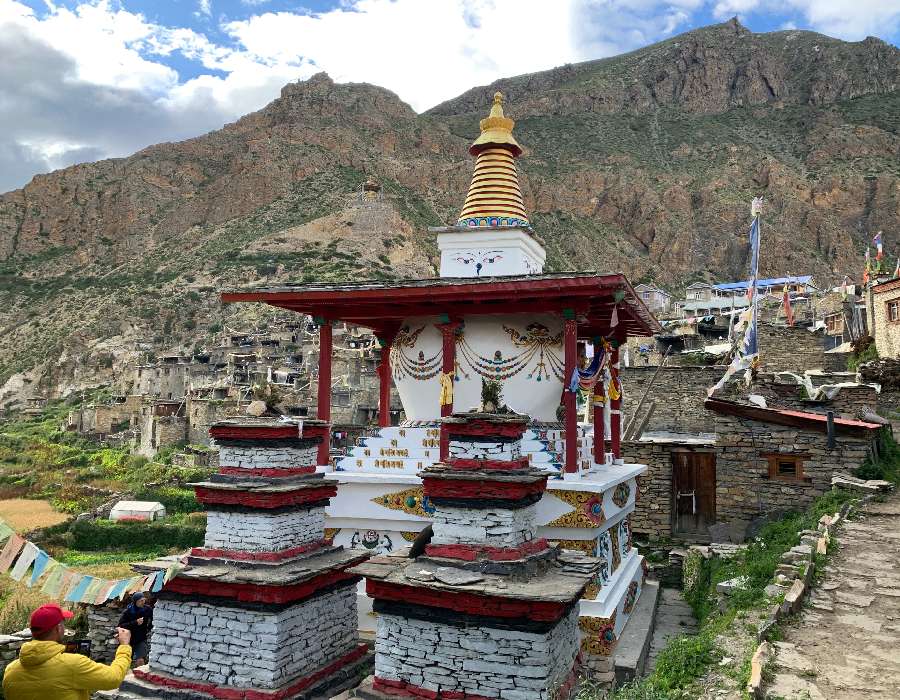
Highlights of Nar Phu Valley Trek:
- Ancient Settlement including Nar and Phu village is yet to be influenced by modernization.
- Less to no trekking crowd, making it an ideal destination for trekkers trying to avoid a huge trekking crowd even during peak trekking season.
- Kang-La Pass(5320 M), a challenging yet rewarding high elevation mountain pass trek filled with unparalleled views of Annapurna 2, Gangapurna and Tilicho Peak
- Enriching cultural experience and opportunity to witness the lifestyle of the local communities which has not yet been touched by the influence of the modern world.
Nar Phu Valley Trek is considered to be one of the best well kept secrets of the Himalayas offering a blended experience of Himalayan beauty and rich culture. The rugged destination is also situated in the rain shadow area, beyond the Annapurna Himalayas towards the east of the Upper Mustang Region. The Nar Phu Valley is comparatively lesser known and carries an aura of mystery and is filled with remote villages, deep gorges, beautiful monasteries and Mountain passes with the awe-inspiring views of the Annapurna Himalayas and valleys in every corner of the journey.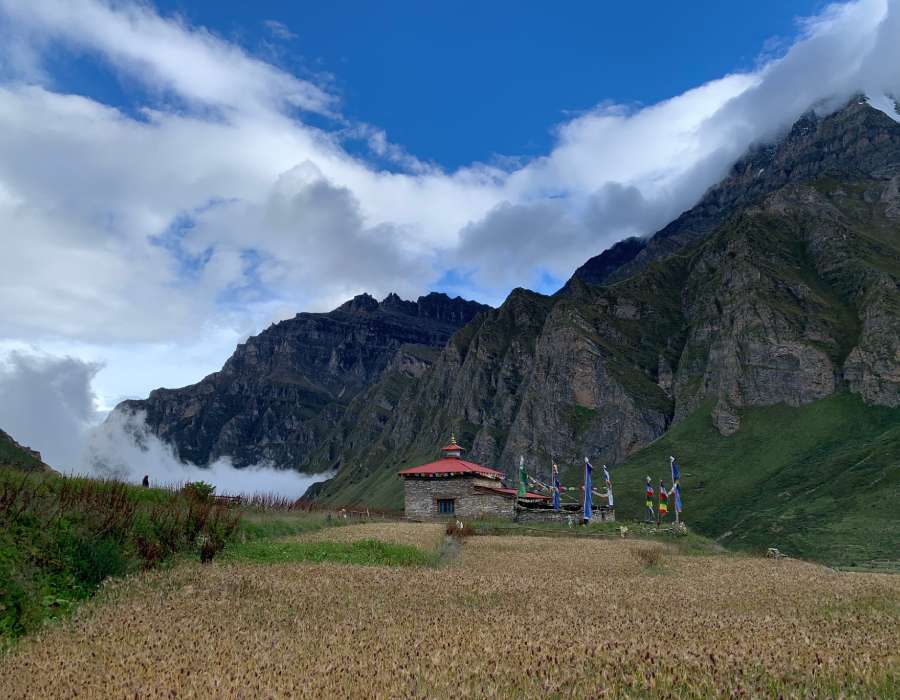
The Nar Phu valley trek can take around 12-14 days depending on the days spent in villages and exploration. The village of Nar and Phu reflects the Buddhist culture showcased through the ancient settlements, chortens and mani walls along the trail to the villages.
Overall, the Nar Phu Valley Trek is a hidden gem witnessing few trekkers exploring the region even during peak trekking season, making it a perfect location for trekkers searching for an enriching experience and avoiding crowds
Upper Dolpo Trek: Exceptional Off-Grid Trekking Experience
Total Trekking Distance: 210-250 KM
Required Days: 24 Days (including road travels from/ to Kathmandu)
Permits: Shey Phoksundo National Park Permit, TIMS Card and Restricted Area Permit
Trekking Starting Point: Jhupal
Trekking Ending Point: Jhupal
Maximum altitude: 5151 M
Accommodations Available: Guest House/ Tea Houses
Meals Available: Nepali, Indian, Tibetan and Western Cuisines
Best Time: Autumn, Spring and Monsoon Season
Highlights of Upper Dolpo Trek
- Shey Phoksundo Lake, the deepest lake of Nepal is a sight to behold with its immaculate turquoise color and the mountains surrounding it.
- Ancient Buddhist and Bon monasteries include the famous Shey Gompa connected to Tibetan Buddhism culture.
- The Upper Dolpo Region is one of the most remote locations in the Himalayas, perfect for trekkers who want to experience off-grid adventure.
- Thrilling journey through the High Himalayan Passes filled with scenic views of the panoramic views of the Himalayas.
Upper Dolpo, a restricted area beyond the Dhaulagiri and Kanjiroba Himalayan Range, is one of the most dramatic and remote treks the Himalayas has to offer. Filled with captivating sites of the Himalayan and trans Himalayan valleys Upper Dolpo trek not only offers trekkers the unspoiled views but also the authentic culture of the local communities surrounding Buddhist tradition and have a deep rooted connection with Tibetan Buddhism.
The Trek takes us through the rugged trails beginning from Chhekpa to the Turquoise Shey Phoksundo Lake(Deepest Lake of Nepal) continuing towards the challenging Kang La Pass, a perfect viewpoint to witness the panoramic views of the Himalayan range. The trail is scenic, challenging and showcases the culture of the communities through Gompas, Chortens and Mani walls along the trail.
Overall, the Upper Dolpo Trek is one of the most dramatic and scenic trek of the Himalayas which perfectly encompasses the cultural beauty of the region and challenges the trekkers who are willing to trek through the rugged Trans Himalayan Region to experience one of the best adventure, the Himalayas has to offer.
FAQ’s:
Do I need special permits to trek in these regions?
Yes, the trekking destinations mentioned above require trekkers to obtain special restricted area permits along with TIMS Card and Annapurna Conservation Area Permit(ACAP) for Upper Mustang and Nar Phu valley trek and Shey Phoksundo National Park permit for Upper Dopla Trek. The permits can be easily obtained by the trekkers through the immigration office of Nepal situated at Kalikasthan, Kathmandu.
Are flights or land transportation safe during the monsoon season in Nepal?
The flights and Land transportations are safe during the monsoon season in Nepal as travel warnings are issued by the authorities to the areas affected by the weather ensuring a safe travel experience for the trekkers.
What kind of accommodations can I expect during the treks?
The monsoon trekking destinations are remote, so the trekkers can expect accommodations in tea houses with just the basic amenities which will be sufficient for the trek.
What should I pack for the Monsoon trek?
The gears required for the Monsoon trek are the same as general trekking with a few added gears including raincoat and waterproof gears without which trekking can become a bit difficult. The trekkers will need to trek for 1-2 days in the beginning/ end of the trek in order to explore the rain shadow area during which the gears will come in handy.
Are any festivals celebrated in the destinations during the Monsoon season?
Yes, during the monsoon season the festival of Tiji is celebrated in Upper Mustang, which is native to the region of Mustang and has been preserved and celebrated authentically since centuries. Similarly other festivals include Yarthung festival in Upper Mustang and Shey festival which is celebrated every 12 years usually during the monsoon season.
Can I do these treks independently or will I need to be assisted by a team for the journey?
The trekkers will need to be assisted by a trekking team who have experience with the trekking trail as the conditions can get extremely harsh and above mentioned destinations are within the restricted areas which requires the trekkers to have a guide with them for the journey as trekking without a guide is prohibited by the authorities in the region.
Are the destinations challenging and will I need to be fit for the Trek?
Yes, the above mentioned treks are quite challenging and trekkers will need to be fit for their journey. The terrains of the region are rugged and will demand a lot from the trekkers with its harsh terrain and weather conditions. The trekkers may face difficulty if they directly plan to trek to the destination without any preparation so, the trekkers are recommended to exercise on a regular basis before beginning their journey.
What is the Internet and mobile connectivity like in the regions?
The internet and mobile connectivity in the regions can be a bit unstable while trekking however, the accommodations in the region can provide wifi which can have reliability issues and lag.
How are altitude sickness managed in remote destinations?
The trekkers will need to trek with a licensed guide as per the rules set by the concerned authorities. The guides for the journey should have experience with the trail and can take care of the trekkers. During any emergencies relating to altitude sickness the guides will need to assist the trekkers and in cases the trekkers are unable to continue their trek the guides will call for emergency evacuation during which a helicopter will be called in order to transport the trekkers to a well facilitated hospital to Kathmandu.
Is it possible to trek to destinations without camping?
Yes, it is completely possible to trek in the above mentioned trekking destination without camping. The trekking routes of the destinations have tea houses and guest houses with basic amenities, sufficient for the trek.
Are there any risks of Landslide and Flood during the trek?
There is no threat of landslides and floods in the destination as the regions receive less to no rainfall which leads to no threat of such natural calamities due to which the Ran shadow regions are ideal for trekking even during the peak monsoon season.
Where can I book the monsoon trek?
The trekkers can book their Monsoon trek with the Mountain Ram Adventures company which has been catering the demands of trekkers for more than a decade, assigning experienced guides and arranging the best of the facility for the price range with flexible itinerary. The trekkers can contact the team at info@mountainramadventures.com or on whatsapp and viber directly at +977 9851074270.
Recent Post
Budhi Gandaki Flood | 35 Houses in Gorkha Damaged and Routes Updates
12 October, 2026Himalayan Glaciers Melting 65% Faster | What Changed?
06 October, 2026Himlung Himal Hit By Avalanche Death Toll hits 4 as search Continues
29 September, 2026
Beyond the Monsoon: Nepal's trekking Paradise
08 October, 2025
Annapurna Circuit: A complete Guide
12 January, 2025