- +977 9851074270
- info@mountainramadventures.com
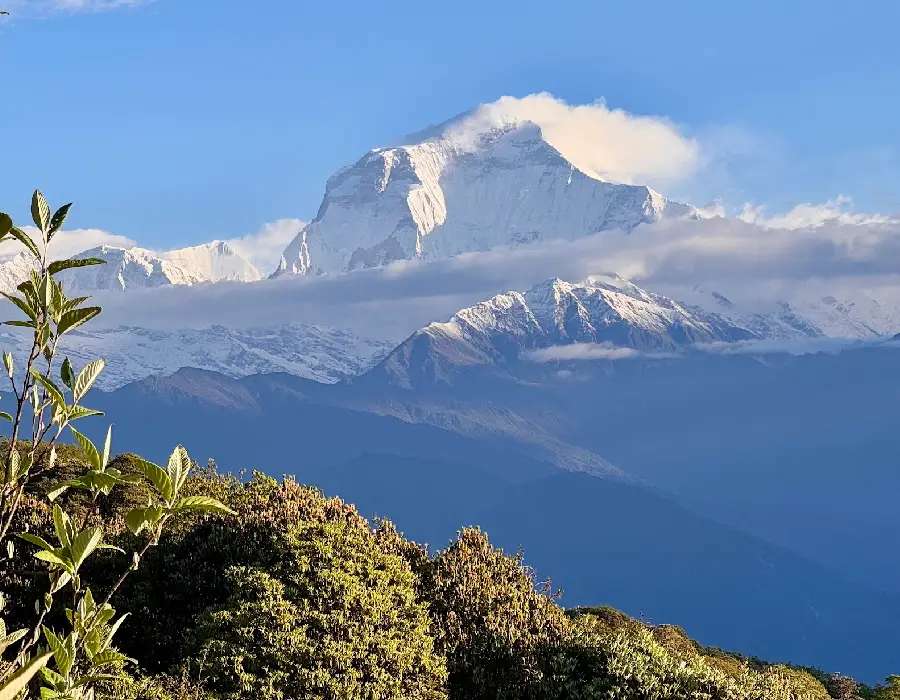
Nepal, described by many as a trekker’s dreamland is home to many trails which blends raw natural beauty with cultural richness offering trekkers a memory that stays with them long after the journey ends. To trek in Nepal is a journey through scattered settlements surrounded by prayer flags flapping in the wind, where mani stone walls guide us along the trail and tranquility flows soothingly as the glaciers from the Himalayas.
Nepal is home to eight of the world’s fourteen eight thousander peaks including Mount Everest, the highest peak of the world, which offers trekkers unparalleled views of the captivating Himalayan peaks in a panoramic setting. Nepal’s trekking trails offer trekkers a perfect blend of culture and natural beauty, even if they are trekking to one of the in-demand destination like the Everest Base Camp and Annapurna Circuit or to the well kept secrets of the Himalayas including Tsum Valley, Kanchenjunga Base Camp, the trekkers will have an unforgettable experience. To experience the best of the Himalayas the trekkers can travel during the Autumn season which transitions swiftly after the Monsoon season.
The Autumn season covers the months from September to November during which the skies are clear and weather conditions are perfect for an adventure through the Himalayas. The Autumn season is regarded as the best time to trek in the Himalayas attracting thousands of travel enthusiasts from around the globe. The popular trekking trails are crowded with trekkers arriving to experience the thrill of the off-beat trails and dramatic landscapes of the Iconic regions of the Himalayas whereas the destinations including Kanchenjunga Base Camp and Tsum Valley trek are visited by fewer number of travelers, perfect for trekkers seeking to disconnect from the world while enjoying the spectacular views of the Himalayas.
The blog explores both the popular and hidden trails of Nepal, focusing on what they offer and the logistics and itinerary behind a successful journey especially during the post monsoon seasons. Trekking in Nepal is not just a physical endurance, it is a walk down through the history of the indigenous groups settled along the trail whose culture has been shaped by the echoes of the Himalayas through generations.
Popular Trekking destinations
Everest Base Camp Trek
Total duration: 15 days
Trip grade:Strenious
Max elevation: Kala Patthar 5455 M /18192 ft
Oxygen level: Around 50% from sea level
Best Time: Autumn Season
Starting/ending point: Lukla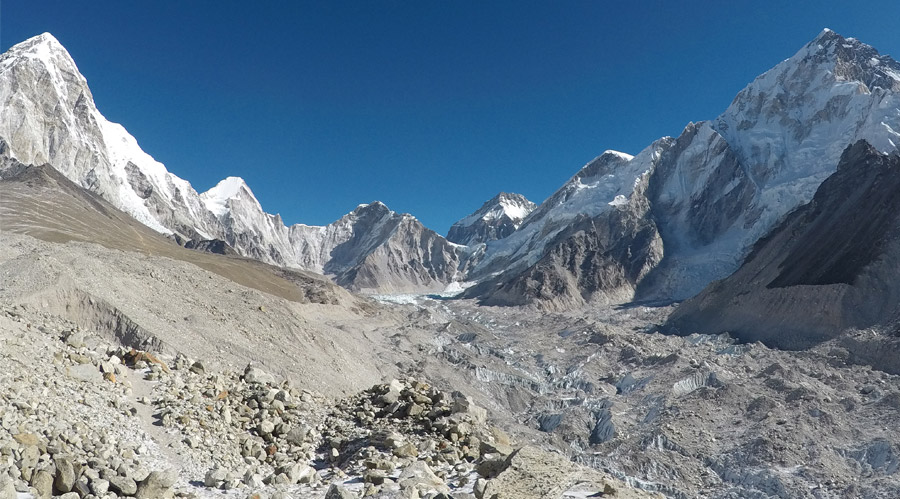
Everest Base Camp Trek simply put, it is the pinnacle of trekking in the Himalayas and arguably even the world. The Everest Base Camp trek takes us through challenging landscapes with awe-inspiring views of the great Mahalangur peaks and the deep Himalayan valleys. The Everest Region specially during the Autumn seasons comes alive, with the travelers coming to conquer the trail while experiencing the best views and weather conditions. The trail can get extremely crowded during the peak season requiring the independent trekkers( not traveling with a company) to book the facilities including flight tickets, accommodations and several other factors to be pre booked for the journey. The Everest Base Camp journey is extremely challenging as trekkers will be reaching up to an elevation of 5364 M at the Base Camp and if they plan to trek to Kalapathar as well they will be trekking to an elevation of 5455 M.
The trekkers will be able to experience the authentic culture of the famous Sherpa community and visit the Chortens, Gompas and Monasteries including Tengboche Monastery, the biggest Monastery of Nepal. The accommodations of the trail are also mostly operated by the peoples of Sherpa community providing the trekkers an enriching cultural experience.
Itinerary of the Everest Base Camp Trek
Day 01: Arrival in Kathmandu and Trek preparations
Day 02: Flight from Kathmandu/Manthali to Lukla and trek to Phakding
Day 03: Trek from Phakding to Namche Bazaar
Day 04: Rest day and acclimatization at Namche Bazaar
Day 05: Trek from Namche Bazaar to Tengboche
Day 06: Trek from Tengboche to Dingboche
Day 07: Rest day and acclimatization
Day 08: Trek from Dingboche to Lobuche
Day 09: Trek from Lobuche to Everest Base Camp via Gorak Shep, stay at Gorak Shep
Day 10: Hike from Gorak Shep to Kala Patthar and trek to Pheriche
Day 11: Trek from Pheriche to Namche Bazaar
Day 12: Trek from Namche Bazaar to Lukla
Day 13: Fly to Kathmandu from Lukla
Day 14: Final departure
*Note: The Above mentioned itinerary includes the classical trekking route of the Everest Base Camp trek which can be extended to include days for exploration and acclimatization.
Annapurna Circuit Trek
Destination: Thorong La Pass
Total duration: 20 days
Trip grade: Moderate
Oxygen level: 50% at Thorong-La pass from Sea level
Max elevation: 5416 M
Best time: Autumn Season(September to November)
Mountains seen during the trek: Annapurna Himalayan Range, Manaslu Himalayan Range, Dhaulagiri Himalayan Range.
Trip starting/ending point: Kathmandu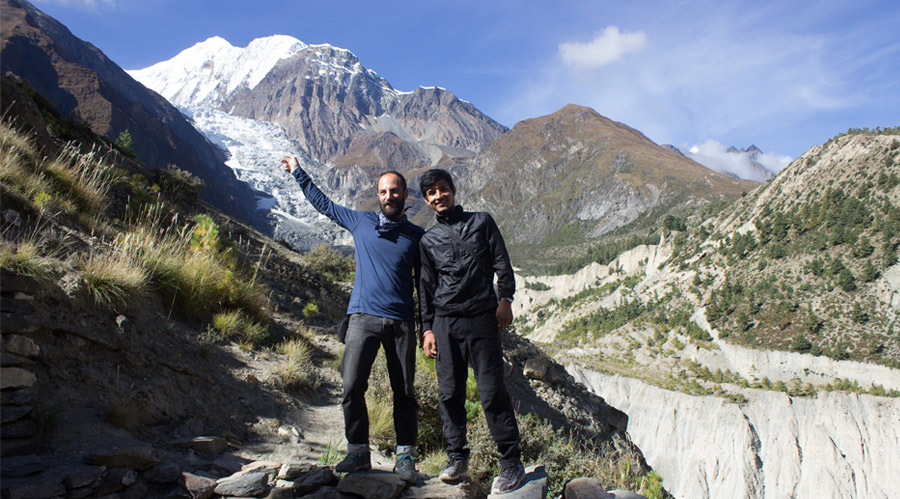
Annapurna Circuit trek is an exquisite journey through the Himalayas, still beyond the grasp of modernization and provides the trekkers a golden opportunity to experience the raw natural beauty of the Mighty Himalayas. The Annapurna Circuit Trek is one of the most in demand trekking destination in the Himalayas which takes us through the heart of the Annapurna Conservation area, home to native Himalayan flora and fauna including some illusive species such as the Pangolin, Snow Leopard, Himalayan Thar and many more. The settlements along the trail are covered densely by the indigenous Gurung community who also operate the tea houses and accommodations along the Annapurna Circuit trail.
The Himalayan views seen during the trek are simply unparalleled with captivating sites from three Himalayan Ranges (Annapurna, Manaslu and Dhalulagiri Himalayan range) including three eight thousander peaks Mount Annapurna(8091 M), Mount Manaslu (8163M) and Mount Dhaulagiri (8167M). The Annapurna Circuit Trek falls under the moderate trekking category with the highest elevation being 5416 M at Thorang La Pass.
Detailed Itinerary
Day 01: Pick up and transfer to the hotel.
Day 02: Kathmandu – Bhulbhule by bus.
Day 03: Bhulbhule – Syange
Day 04: Syange to Tal
Day 05: Tal – Chame
Day 06: Chame – Pisang
Day 07: Pisang – Manang
Day 08: Acclimatization day in Manang
Day 09: Manang – Yak Kharka
Day 10: Yak Kharka – Thorung Phedi
Day 11: Thorung Phedi – Thorung Pass – Muktinath
Day 12: Muktinath – Marpha
Day 13: Marpha to Ghasa
Day 14: Ghasa to Tatopani(hot spring place)
Day 15: Tatopani – Ghorepani
Day 16: Ghorepani-Poon Hill- Tikhedhunga
Day 17: Hille to Nayapul and drive to Pokhara.
Day 18: Pokhara to Kathmandu by tourist bus.
Day 19: Final departure to Tribhuvan International airport.
Hidden Gem Trekking Destinations of Nepal
Kanchenjunga Base Camp Trek
Destination: Kanchenjunga Base Camp
Total duration: 25 days
Trip grade: Moderate
Oxygen level: 55% at North Base Cam from Sea level
Max elevation: 4785 M(North Base Camp)
Best time: Autumn Season(September to November)
Mountains seen during the trek: Kanchenjunga Himalayan Range
Trip starting/ending point: Bhadrapur 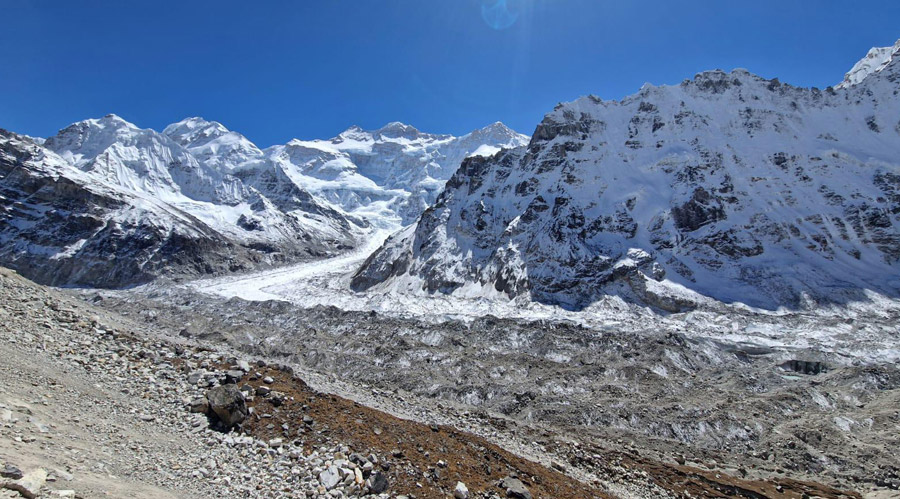
Kanchenjunga Trek is one of Nepal’s most remote and thrilling adventures which leads us to the eastern region of Nepal filled with towering peaks and vibrant culture of the natives. Mount Kanchenjunga stands at a staggering height of 8586 M and is the third highest Mountain of the World. The trail leads us round the towering peaks along the glacier moraine and raw, untamed nature providing a state of solitude.
The Kanchenjunga trek is a perfect destination for trekkers seeking to avoid trekking crowds unlike the busier and popular trekking trails including the Everest and Annapurna region. The trek in total takes around 25 days including all the stops including the South Base Camp and North Base Camp. The journey begins with a scenic flight from Kathmandu to Bhadrapur filled with the captivating sites of the Himalayas including peaks such as Mount Everest, Makalu, Gaurishankar Cho Oyu and many more. The trek also shows us the dramatic change in the Himalayan landscapes ranging from the flat lands to the lush valleys all the way to the alpine vegetation of the High Himalayas. The cultural exposure in the region is also significant as the trail passes through the settlement of Rai, Limbu, Sherpa and other communities who follow the teachings of Tibetan Buddhism. The trails of the Kanchenjunga Trek are also filled with Mani Walls, Chorten and Monasteries showcasing the deep rooted belief in Buddhism.
Detailed Itinerary
Day 01: Arrive in Kathmandu .
Day 02: Trek preparation in Kathmandu .
Day 03: Flight to Bhadrapur and drive to Phidim via Illam
Day 04: Drive from Phidim to Sekhathum via Taplejung
Day 05: Trek from Sekathum to Chiruwa
Day 06: Trek from Lelep from Chiruwa
Day 07: Trek to Amjilosa
Day 08: Amjilosa to Gyabla trek
Day 09: Trek Ghunsa from Gyabla
Day 10: Acclimatization day in Ghunsa
Day 11: Ghunsa to Kambachen trek
Day 12: Trek to Lhonak from Kambachen
Day 13: Hike up to Kanchenjunga North Base Camp and back to Lhonak
Day 14: Trek from Lhonak to Ghunsa
Day 15: Trek to Sete Le
Day 16: Sete le to Tseram trek
Day 17: Steam to Ramche trek
Day 18: Hike to Kanchenjunga South Base Camp and back
Day 19: Trek top Tortong
Day 20: Trek to Naya Jharini
Day 21: Trek to Yamphudin
Day 22: Hike down to Khebang
Day 23; Khebang to Illam trek
Day 24: Illam to Bhadrapur and flight back to Kathmandu
Day 25: Departure from Kathmandu
Tsum Valley Trek
Destination: Tsum Valley
Total duration: 16 days
Trip grade: Moderate
Oxygen level: 65% at North Base Cam from Sea level
Max elevation: 3774 M at Ganesh Himal Base Camp
Best time: Autumn Season(September to November)
Mountains seen during the trek: Ganesh Himal Range and Manaslu Himalayan Range
Trip starting/ending point: Kathmandu 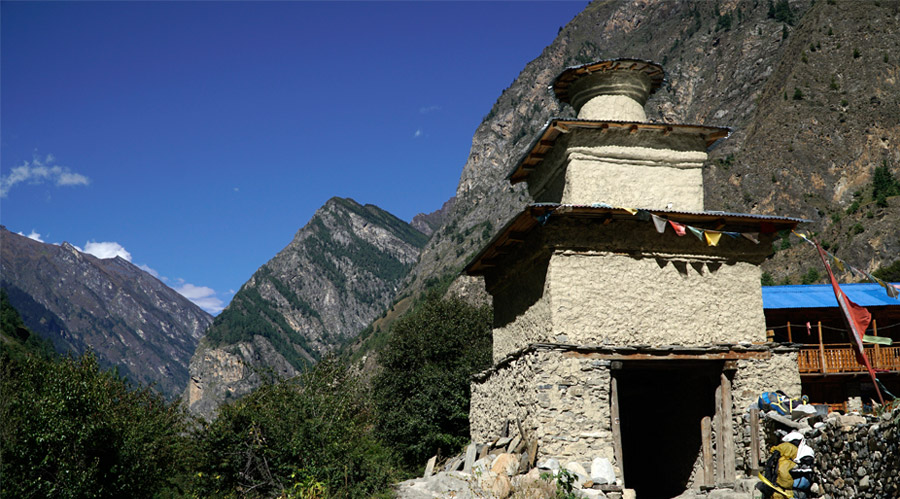
Tsum Valley is one of Himalayas best kept secrets, situated in the central North of Nepal beyond the Ganesh Himalayan Range. Tsum Valley is also known as the Happiness valley which was restricted till 2008 AD, which helped in preserving the centuries old culture and pure nature. The trek which begins from Kathmandu takes 16 days if all destinations along the trails are factored into it. The trek begins with a scenic ride through the winding valley roads leading from Kathmandu to Macha Khola, following the same trail as the Manaslu Circuit trek. The trail of Tsum Valley and Manaslu Trek separates from Philim Village.
Tsum Valley trek is also a restricted area within the Manaslu Conservation Area requiring an additional permit due to the purity of the region and sacred deep rooted connection with Tibetan Buddhism. The lower region of the Tsum valley is covered in lush dense forest of Rhododendron and Birch Trees, rivers and waterfall and as the trekkers gain altitude they will notice the dramatic change in the landscape leading to Tundra vegetation. The panoramic views of Himalchuli, Ganesh Himal and Sringi Himal makes the trek even more dream-like. The villages scattered in the region have Tibetan Heritage who have been keeping their Faith in Tibetan Buddhism for centuries. The trek is perfect for trekkers seeking spirituality and solitude taking us through Mu Gompa, Ranchen Gompa, Guruwa Gompa and the renowned Milarepa Cave where Milarepa meditated during his journey to spread Buddhism along the Himalayas.
The trail falls under one of the most remote destinations of Nepal with basic accommodation facilities including tea houses which offer traditional meals including butter tea, noodle soups and Tsampa. The trek falls under the moderate category and can be done easily by trekkers who are trekking for the first time or are of old age.The trail takes us through the historical journey of the authentic Tibetan Culture preserved through generations while giving them a sense of solitude.
Day 01: Arrive in Kathmandu
Day 02: Preparation day in Kathmandu
Day 03: Kathmandu to Machha Khola (930 mtr) 7 - 8 hours drive
Day 04: Machha Khola to Jagat (1410 mtr) 6 hours
Day 05: Jagat to Lokpa (2040 mtr) 5 hours
Day 06: Lokpa to Chumling (2700 mtr) 5 hours
Day 07: Chumling to Chhekampar (2960 mtr) 5 hours
Day 08: Chhekampar to Mu Gomba (3800 mtr) 5 hours
Day 09: Trek back to Chhekampar (2960 mtr) 4 hours.
Day 10: Chhekampar to Gumba lundang (3200m) trek 6 hours.
Day 11: Gumba lungdang to Ganesh Himal Base Camp (3700m) and back
Day 12: Gumba Lungdang to Chumling (2386m) trek 6 hours.
Day 13: Chumling to Philim(1570m) trek 6 hours.
Day 14: Philim to Machha khola (869m) trek 6 hours.
Day 15: Drive to Kathmandu 7 - 8 hours drive
Day 16: Departure from Kathmandu
FAQ’S
How crowded can the popular trekking destinations get during the peak trekking season?
During the peak trekking season(Autumn season) the trail of the popular trekking destinations can get crowded requiring the trekkers to book the accommodation, transportation and other facilities for their trek well in advance. The trekkers traveling with an agency will not have any hassle as their arrangements for accommodations and such will be included in the package itself.
Can I extend my trek to include other closeby trekking destinations to my itinerary?
Yes, the trekkers can include other closeby destinations to their itinerary during the Autumn season especially as the trekking conditions are perfect due to which the trekkers can enjoy the views of the Himalayas fully. The trekkers can include the destinations by requesting for their agency to modify their itinerary accordingly for which they will be charged according to the trek’s extension.
What are the permit costs for the Everest region trekking trails?
The cost for the permits of most Everest trekking trails is 6000 NPR including the Sagarmatha National Park permit and the Pasang Lhamu Rural Municipality permit. In general most trekking trails of Nepal usually cost around 6000 per trekker unless they are trekking through any area which requires additional permits.
Can the trekking destinations be conquered by trekkers participating in any trekking destination for the first time?
The trekking trails can be conquered by the trekkers trekking for the first time only if the trekkers are prepared mentally and physically and the trekkers are accompanied by experienced guides for their entire journey.
What should I pack for trekking during the Autumn season?
The trekkers will need to pack light fleece clothes with sturdy trekking boots for their journey. The weather conditions will not fluctuate much, making it a good time to trek. The trekkers will also be required to pack sunscreen and other personal items for their journey. The trekkers can purchase their gears from the market in Thamel, Kathmandu at an affordable rate.
Are the trekking in Nepal enriching culturally?
Yes, the trekkers depending on their trekking trail can experience a wide range of culture. The trekking trails of Nepal are filled with settlements of indigenous communities providing trekkers to experience a wide range of culture. Most of the communities settled in the Himalayas follow the teaching of Tibetan Buddhism under which their way of living is based.
Can I spot wildlife during the Autumn season?
Yes the chances of spotting wildfires is quite high during the Autumn season especially during the morning time. The Trekking regions of Nepal are situated within the boundaries of protected areas renowned for their native Himalayan wildlife which includes Snow leopards, Pangolins. Musk Deer, Thar and many more.
How safe is trekking in Autumn Season?
Trekking in Autumn is arguably the safest time to trek in any trekking journey. The weather conditions are perfect for trekking with not much fluctuations and the trails are in great conditions to trek.
Do I need to book my trek in advance in Autumn?
The trekkers will need to book for their accommodations if they are traveling to popular trekking destinations as the facilities can be hard to reserve during their journey. The trekkers will not have to worry about it if they are traveling with an agency as the agencies will be responsible for the reservations of facilities.
Recent Post
Top Monsoon Trekking Destinations in Nepal
17 August, 2025
Annapurna Circuit: A complete Guide
12 January, 2025