
- +977 9851074270
- info@mountainramadventures.com
Winter in Nepal is a wonderful time to see snowy mountains, blue skies, frozen lakes and quiet trekking trails. The winter season (December to February) offers a more remote and scenic trip to the mountains, while tourists avoid the crowds and experience them in a new light.
There are a few trekking experiences that are perfect for the winter months in Nepal for different levels of fitness, trekking experience, and budget. They also provide beautiful mountain views at moderate altitudes, and challenging high-altitude adventures through snowy landscapes.
We have guided packages for trekking in the mountains, with the assistance of local guides and travel organization. Here are some great trekking spots in the Himalayas this winter.
Why Go Trekking in Nepal in Winter?
Nepal’s mountains are one of the serene places to visit during the winter season. It is colder at high altitudes, but with fewer hikers and clear skies, it's a great time for mountain fans.
Winter trekking offers several advantages:
- Clear mountain views and beautiful Himalayan scenery.
- Snow-covered mountains and trekking trails.
- Fewer crowds on popular trekking routes.
- Beautiful sunrise and sunset views.
- Opportunities to experience frozen lakes and snowy landscapes.
- Better opportunities for peaceful mountain photography.
- A quieter experience of traditional Himalayan villages.
But winter also means cold weather, shorter days and icy trails. Accordingly, it is vital to select the appropriate path and wearing the right winter gear.
What Makes the Best Winter Treks in Nepal?
Not all trekking routes are winter friendly. Ideal winter treks in Nepal should feature stunning mountain views, comfortable trails and accommodations.
Before choosing your trek, consider the following factors:
- Altitude: Higher elevations experience colder temperatures and heavier snowfall.
- Weather: Check current weather conditions before starting your trek.
- Trail Conditions: Snow and ice can make some sections difficult to cross.
- Accommodation: Confirm that teahouses and lodges remain open during winter.
- Experience: Choose a route that matches your fitness and trekking experience.
Equipment: Carry warm clothing, insulated jackets, gloves, and suitable trekking boots.
6 Best Winter Treks in Nepal
-
Ghorepani Poon Hill Trek
The Ghorepani Poon Hill Trek is one of the most popular treks among travelers who want to experience the best trekking in the winter season in Nepal. It is a stunning place to see the Himalayas, traditional villages and a relatively short trek.
The path leads through lovely Gurung and Magar villages, stone steps and lovely forests to reach Poon Hill. The main attraction is the view of the Annapurna and Dhaulagiri ranges from the viewpoint, which offers a breathtaking sunrise.
In the winter months, snow may fall on the surrounding hills and other higher areas, providing stunning mountain views.
Why Trek Poon Hill in Winter?
- Spectacular sunrise over the Annapurna range.
- Beautiful views of Annapurna and Dhaulagiri.
- Traditional Gurung and Magar villages.
- Opportunities to experience snowfall.
- Suitable for beginners with reasonable fitness.
- Shorter trekking duration.
Poon Hill is a good winter travel spot for people who don't want to do a tough high-elevation hike, but who still want to enjoy the beauty of the Himalayas.
- Package Name: Ghorepani Poon Hill Trek
- Duration: 9 Days
- Starting Price: USD 720
-
Langtang Valley Trek
Langtang Valley trek is also a great trek during the winter season in Nepal. Nestled in the foothills of the Himalayas, this stunning location is just north of Kathmandu, offering a mix of breathtaking vistas, cultural charm, and serene hiking opportunities.
This trek includes passes through the forest and traditional settlements, Buddhist monasteries and mountain scenery en route to Kyanjin Gompa.
In winter, the upper valley may be snowed over, offering scenic views of Langtang Lirung and other mountains of the Himalayas. This trek is ideal for those who want to enjoy the Himalayan culture and the snow mountains without going to the Everest region.
Winter Highlights of Langtang Valley
- Beautiful views of Langtang Lirung.
- Snow-covered mountain landscapes.
- Traditional Tamang villages and culture.
- Buddhist monasteries and prayer flags.
- Beautiful forests and mountain valleys.
- Peaceful trekking trails.
Langtang is a great trekking destination for those who want to experience the mountains, its culture, and winter adventure.
- Package Name: Langtang Valley Trek
- Duration: 10 Days
- Starting Price: USD 620
-
Langtang Gosaikunda Trek
The Langtang Gosaikunda Trek is a combination of the beautiful Langtang region and the sacred lakes of the alpine area, Gosaikunda. Exploring to the mountain villages, forests, high altitude terrain and the lakes of the Himalayas is a very rewarding trip.
Gosaikunda is situated at about 4380 m and is a significant pilgrimage site for the Hindu and Buddhist people.
The mountains and the area around the lake may be snowed over in winter. The lake could also freeze in places depending on the temperatures and weather.
But, during the winter season, around Gosaikunda can be difficult, particularly high passes, exposed trails.
Why Choose Langtang Gosaikunda in Winter?
- Beautiful alpine lakes and mountain scenery.
- Opportunities to experience snowy landscapes.
- Traditional Tamang culture and villages.
- Sacred Hindu and Buddhist pilgrimage sites.
- Beautiful Himalayan forests and valleys.
- A combination of cultural and high-altitude adventure.
This trek is ideal for those who are experienced hikers and wish to have an adventurous trip in the Langtang area during the winter season.
- Package Name: Langtang Gosaikunda Trek
- Duration: 15 Days
- Starting Price: USD 800
-
Annapurna Base Camp Trek
The Annapurna Base Camp Trek is a trek that will take you into the center of the Annapurna Sanctuary, with some of the highest peaks of the Himalayas around it.
The trail winds through charming villages, terraced fields, forests and mountain villages, finally arriving at Annapurna Base Camp.
The sanctuary has a different feel in the winter. The upper trails can be blanketed by snow, creating a spectacular scene surrounded by Annapurna South, Hiunchuli, Machhapuchhre and other lofty peaks.
It is a stunning place to visit in winter, but the top end can be difficult in snow and freezing temperatures.
Why Trek Annapurna Base Camp in Winter?
- Panoramic views of the Annapurna mountain range.
- Snow-covered Annapurna Sanctuary.
- Beautiful views of Machhapuchhre.
- Traditional mountain villages.
- Beautiful Himalayan forests and landscapes.
- A rewarding high-altitude trekking experience.
For those with experience in trekking, Annapurna Base Camp is an ideal location to see the Himalayas in the winter season.
- Package Name: Annapurna Base Camp Trek
- Duration: 13 Days
- Starting Price: USD 820
-
Everest Base Camp Trek
Everest Base Camp trek is one of the world's most popular adventures in the Himalayas. It goes through the picturesque Khumbu region, the traditional Sherpa villages and the magnificent mountain landscapes.
Passing through popular settlements like Namche Bazaar, Tengboche, Dingboche and Gorakshep, you arrive at the Everest Base Camp.
The trail is less crowded with trekkers, and the mountains are clearer in the winter. The Everest region has a different feel when covered in snow, with frozen streams and tranquil mountain villages.
But at higher altitudes the nights can be very cold and snowfall can impact on the trail and flights to Lukla.
Why Choose Everest Base Camp in Winter?
- Spectacular views of Mount Everest.
- Beautiful snow-covered Himalayan peaks.
- Experience traditional Sherpa culture.
- Visit Tengboche Monastery.
- Explore Namche Bazaar and other mountain villages.
- Fewer trekkers compared to peak trekking seasons.
Everest Base Camp is a great winter trekking destination for the experienced and well-prepared trekkers to the world's highest mountain region.
- Package Name: Everest Base Camp Trek
- Duration: 15 Days
- Starting Price: USD 1,380
-
Annapurna Circuit Trek
Annapurna Circuit Trek is one of the most rewarding and exciting treks in Nepal. It passes through changing landscape, the traditional villages of the mountain and the beautiful valley of the Himalayas.
This trail has both green hills, forests, alpine views and dry mountain areas. Thorong La Pass at the height of 5416m is one of its significant points.
In winter, heavy snowfall is possible on the higher parts and the temperatures can be very low. Thorong La Pass is a cross that can only be done under the right conditions and with careful planning along with necessary trekking permits.
Hence, it is better for a trekker to be experienced in trekking, and have the right gear for winter, and a flexible schedule in order.
Winter Highlights of Annapurna Circuit
- Spectacular views of Annapurna and Dhaulagiri.
- Beautiful mountain villages and landscapes.
- Experience diverse Himalayan cultures.
- Explore the Manang Valley.
- Cross the challenging Thorong La Pass when conditions permit.
- Experience different landscapes throughout the journey.
The Annapurna Circuit is a great trek to choose if you are looking for an extended and more difficult winter trekking experience in the Himalayas.
- Package Name: Annapurna Circuit Trek
- Duration: 20 Days
- Starting Price: USD 1,070
Why Choose Mountain Ram Adventures for Winter Treks in Nepal?
A good knowledge of weather, experience, gear and planning are required for winter trekking. At Mountain Ram Adventures, we offer guided trekking tours in Nepal, where our local guides and travel arrangements make it organized and fun to trek.
We select the appropriate trekking routes for the traveler based on their fitness, time availability, experience and budget.
Here are why travelers choose us:
- Experienced Local Guides: Our guides understand the Himalayan trails, local culture, and changing mountain conditions.
- Safety and Reliability: We focus on proper planning, altitude awareness, and responsible trekking practices.
- Flexible Packages: Choose from different trekking durations and destinations.
- Competitive Prices: Explore Nepal with well-planned trekking packages.
- Local Knowledge: Experience authentic mountain communities and Himalayan culture.
Book Your Winter Trek in Nepal
Winter is a time for exploring the beautiful Himalayas of Nepal, in a different way. The season is unique for trekking lovers due to snow covered peaks, peaceful mountain villages, clear skies and lesser crowds.
From sunrise at Poon Hill country to snowcapped trekking in Langtang Valley, to visiting the sacred Gosaikunda Lake or even to challenging yourself trekking to Everest Base Camp, there is a winter trekking experience in Nepal for you.
The ideal trek in the winter season in Nepal will vary depending on your fitness, experience of trekking, time, and adventure level.
For hiking enthusiasts wanting to trek in the Himalayas in December, January or February get in touch with Mountain Ram Adventures to talk about your trekking plans and make your winter trek a reality.
Frequently Asked Questions About Winter Treks in Nepal
- What are the best winter treks in Nepal?
Ghorepani Poon Hill, Langtang Valley, Langtang Gosaikunda, Annapurna Base Camp, Everest Base Camp, and Annapurna Circuit are some of the best treks to undertake during winter in Nepal.
- What is the best winter trek in Nepal for beginners?
Ghorepani Poon Hill is one of the most ideal options for the beginners. It has great views of the mountains, traditional villages and a relatively moderate trekking experience that is not extreme in terms of high altitudes.
- Can I trek in Nepal during December, January, and February?
Yes. December, January and February mark trekking season in Nepal in the winter. But there are freezing temperatures and snow at higher altitudes, so preparation is key.
- Which winter trek in Nepal has the most snow?
Snowfall is possible in higher places like Everest Base Camp, Annapurna Base Camp and Gosaikunda. Conditions of the snow will vary with weather and snowfall from year to year.
- Is January too cold for trekking in Nepal?
January is the coldest month in the winter months in Nepal. Routes at lower elevations are okay for hiking, but routes at higher elevations will need some warm clothes, equipment, and planning.
- What should I wear for winter trekking in Nepal?
Thermal base layers, fleece jackets, insulated down jacket, waterproof outerwear, warm trousers, gloves, woolen hat and waterproof trekking boots. For trekking to higher altitudes, a good sleeping bag is also essential.
- Do I need a guide for winter treks in Nepal?
It is highly recommended to have a guide, particularly for high altitude winter hikes. Local guides assist in route planning, weather conditions, accommodation, altitude management and emergency situations.
- How much do winter treks in Nepal cost?
The price varies based on the destination, the length of the tour, the mode of transport, accommodation, permits and tour guides. The prices are negotiable based on the package and travel conditions.
- Is snowfall guaranteed during winter treks in Nepal?
No. Not all winter trekking routes will be snowy. This is dependent on the location, weather conditions and altitude. Usually, higher areas tend to accumulate more snow than lower areas.
- Which winter trek in Nepal offers beautiful mountain views with fewer crowds?
Those looking for quieter mountain experiences can consider Pikey Peak or Langtang Valley. Another great option to view the sunrise in spectacular fashion during the winter season is Poon Hill.
Recent Post
Budhi Gandaki Flood | 35 Houses in Gorkha Damaged and Routes Updates
12 October, 2026Himalayan Glaciers Melting 65% Faster | What Changed?
06 October, 2026Himlung Himal Hit By Avalanche Death Toll hits 4 as search Continues
29 September, 2026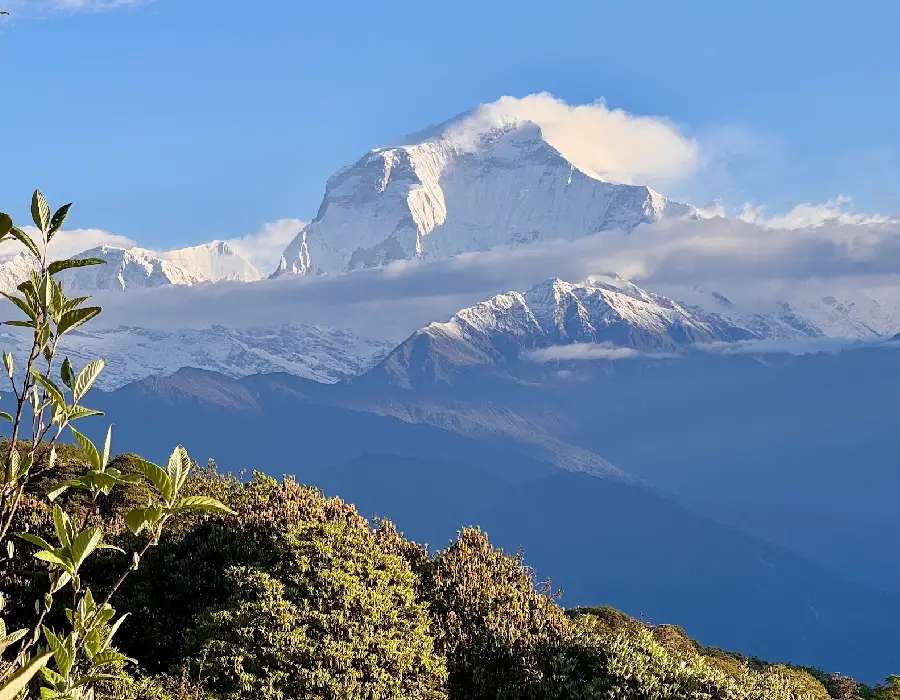
Beyond the Monsoon: Nepal's trekking Paradise
08 October, 2025
Top Monsoon Trekking Destinations in Nepal
17 August, 2025